

Are Pp Plastic Granules resistant to alkalis?
As a supplier of PP plastic granules, I often encounter inquiries from customers regarding the chemical resistance of our products, especially their resistance to alkalis. This blog post aims to provide a comprehensive answer to the question: Are PP plastic granules resistant to alkalis?
PP, or polypropylene, is a thermoplastic polymer known for its excellent chemical resistance, high melting point, and good mechanical properties. These characteristics make it a popular choice for a wide range of applications, including packaging, automotive parts, and household items.
When it comes to alkali resistance, PP plastic granules generally exhibit good performance. Alkalis are substances that have a pH greater than 7 and can react with acids to form salts. Common alkalis include sodium hydroxide (NaOH), potassium hydroxide (KOH), and ammonia (NH₃).
PP is a non-polar polymer, which means it has a low affinity for polar substances like alkalis. This property allows PP to resist the attack of alkalis under normal conditions. In fact, PP is often used in applications where contact with alkalis is expected, such as in chemical storage tanks, pipes, and fittings.

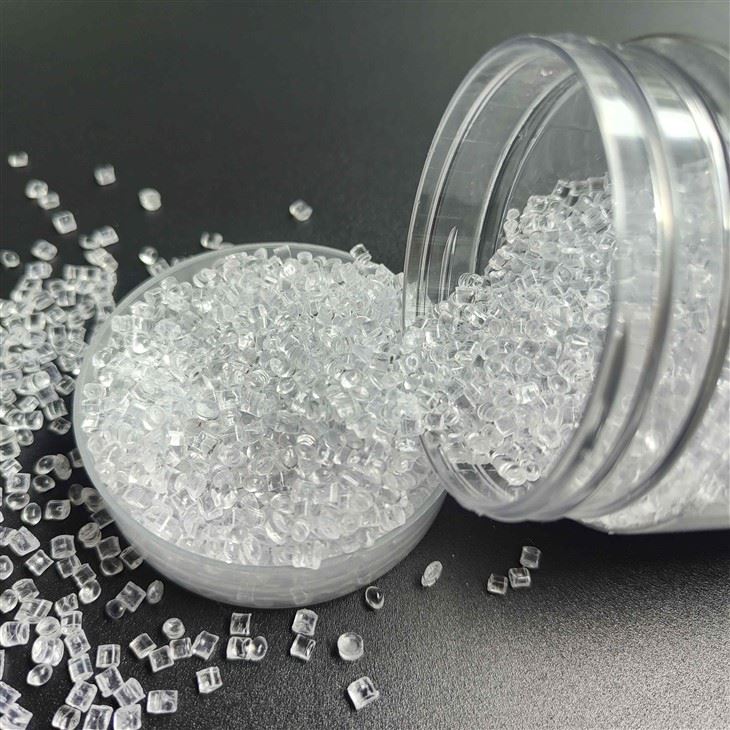
However, it's important to note that the alkali resistance of PP can be affected by several factors, including the concentration and temperature of the alkali solution, the duration of exposure, and the presence of other chemicals.
Concentration and Temperature
The concentration and temperature of the alkali solution play a significant role in determining the resistance of PP plastic granules. Generally, higher concentrations and temperatures can increase the likelihood of chemical attack.
For example, at room temperature, PP can withstand exposure to dilute alkali solutions (less than 10%) for extended periods without significant degradation. However, as the concentration of the alkali solution increases, the resistance of PP may decrease. At high concentrations (above 50%), PP may start to show signs of swelling, cracking, or loss of mechanical properties.
Similarly, higher temperatures can accelerate the chemical reaction between PP and alkalis. At elevated temperatures, the rate of diffusion of the alkali into the polymer matrix increases, leading to more rapid degradation. Therefore, it's important to consider the temperature and concentration of the alkali solution when selecting PP plastic granules for a specific application.
Duration of Exposure
The duration of exposure to alkalis also affects the resistance of PP plastic granules. Prolonged exposure to alkalis can lead to cumulative damage to the polymer, even at low concentrations and temperatures.
For example, if PP is exposed to a dilute alkali solution for several months or years, it may gradually lose its mechanical strength and become brittle. Therefore, it's important to limit the exposure time of PP to alkalis and to monitor the condition of the material regularly.
Presence of Other Chemicals
The presence of other chemicals in the alkali solution can also affect the resistance of PP plastic granules. Some chemicals, such as oxidizing agents or solvents, can react with PP and accelerate its degradation.
For example, if a PP product is exposed to a solution containing both an alkali and an oxidizing agent, the oxidation reaction can cause the polymer to break down more rapidly. Therefore, it's important to consider the compatibility of PP with other chemicals in the environment where it will be used.
Applications of PP Plastic Granules in Alkali-Containing Environments
Despite the potential challenges, PP plastic granules are widely used in applications where contact with alkalis is expected. Here are some examples:
- Chemical Storage Tanks: PP is often used to manufacture chemical storage tanks due to its excellent chemical resistance. These tanks can store a variety of alkalis, including sodium hydroxide and potassium hydroxide, without significant degradation.
- Pipes and Fittings: PP pipes and fittings are commonly used in plumbing and industrial applications where they may come into contact with alkalis. The alkali resistance of PP ensures that these pipes and fittings can withstand the corrosive effects of alkalis over an extended period.
- Textile Industry: PP is used in the textile industry to manufacture fibers and fabrics. These materials may be exposed to alkalis during the dyeing and finishing processes. The alkali resistance of PP allows these fibers and fabrics to maintain their strength and integrity.
- Food Packaging: Food Grade PP Pellets are used in the food packaging industry due to their excellent chemical resistance and safety. These pellets can be used to manufacture containers and packaging materials that come into contact with alkalis in food products.
Conclusion
In conclusion, PP plastic granules generally exhibit good resistance to alkalis under normal conditions. However, the alkali resistance of PP can be affected by several factors, including the concentration and temperature of the alkali solution, the duration of exposure, and the presence of other chemicals.
As a supplier of PP plastic granules, we offer a wide range of products that are suitable for various applications, including those in alkali-containing environments. Our PP Pellets for Woven Bags and PP Pellets for Strapping Bands are designed to provide excellent performance and durability.
If you have any questions about the alkali resistance of our PP plastic granules or need assistance in selecting the right product for your application, please feel free to contact us. We are committed to providing our customers with high-quality products and excellent customer service.
References
- "Polypropylene: Properties, Processing, and Applications" by Charles A. Harper
- "Handbook of Thermoplastics" by O. Olabisi