

Milky PP Granules, a versatile and widely used material in various industries, have gained significant popularity due to their unique properties and numerous applications. As a leading supplier of Milky PP Granules, I am often asked about the appropriate dosage of these granules for different applications. In this blog post, I will delve into the factors that determine the dosage of Milky PP Granules and provide some guidelines to help you make informed decisions.
Understanding Milky PP Granules
Milky PP Granules, also known as Polypropylene Granules, are a type of thermoplastic polymer made from propylene monomers. They are characterized by their milky white appearance, high strength, good chemical resistance, and excellent processability. These granules are commonly used in the manufacturing of a wide range of products, including packaging materials, automotive parts, household items, and medical devices.

Factors Affecting the Dosage of Milky PP Granules
The dosage of Milky PP Granules required for a specific application depends on several factors, including the type of product being manufactured, the desired properties of the final product, and the processing conditions. Here are some key factors to consider:
1. Product Type
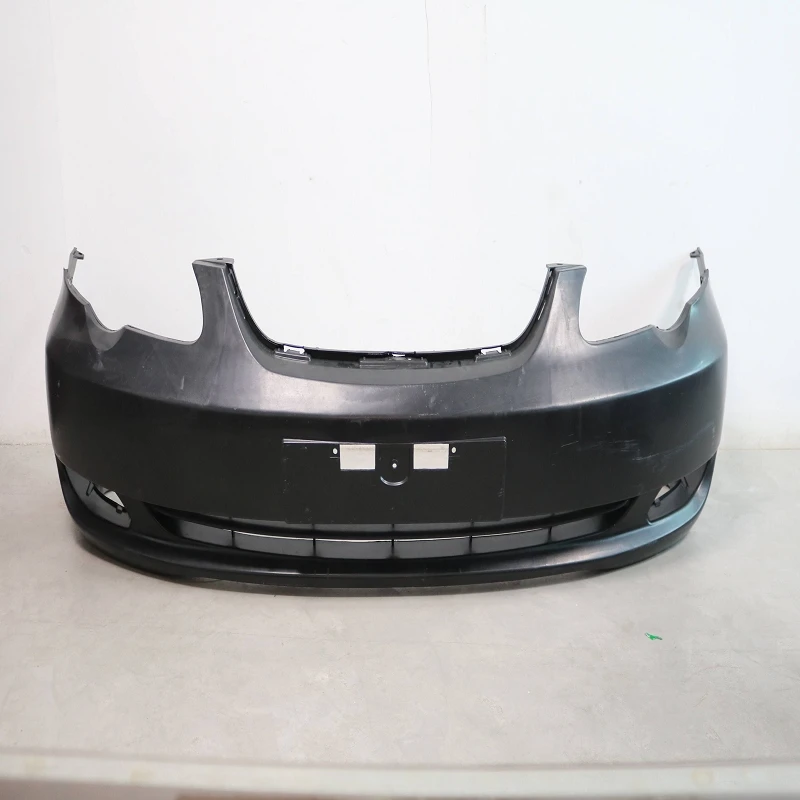
Different products require different dosages of Milky PP Granules. For example, products that require high strength and stiffness, such as automotive bumpers, may require a higher dosage of granules compared to products that require flexibility and softness, such as packaging films.
2. Desired Properties
The desired properties of the final product, such as strength, stiffness, flexibility, and transparency, also play a crucial role in determining the dosage of Milky PP Granules. For instance, if you want to increase the strength of a product, you may need to use a higher dosage of granules.
3. Processing Conditions
The processing conditions, such as temperature, pressure, and injection speed, can also affect the dosage of Milky PP Granules. Higher processing temperatures and pressures may require a lower dosage of granules, while lower processing temperatures and pressures may require a higher dosage.
Dosage Guidelines for Different Applications
Based on the factors mentioned above, here are some general dosage guidelines for different applications of Milky PP Granules:
1. Packaging Materials
For packaging materials, such as bags, films, and containers, the dosage of Milky PP Granules typically ranges from 10% to 30% by weight. This dosage can be adjusted depending on the desired properties of the packaging material, such as strength, flexibility, and transparency.
2. Automotive Parts
For automotive parts, such as bumpers, dashboards, and interior trims, the dosage of Milky PP Granules can range from 30% to 70% by weight. The higher dosage is required to ensure the high strength and stiffness of the automotive parts.
3. Household Items
For household items, such as furniture, appliances, and kitchenware, the dosage of Milky PP Granules can range from 20% to 50% by weight. This dosage can be adjusted depending on the desired properties of the household item, such as strength, durability, and aesthetics.
4. Medical Devices
For medical devices, such as syringes, catheters, and surgical instruments, the dosage of Milky PP Granules can range from 10% to 30% by weight. The lower dosage is required to ensure the biocompatibility and safety of the medical devices.
Choosing the Right Milky PP Granules
In addition to determining the appropriate dosage of Milky PP Granules, it is also important to choose the right type of granules for your specific application. There are different grades and types of Milky PP Granules available in the market, each with its own unique properties and characteristics. Here are some factors to consider when choosing the right Milky PP Granules:
1. Melt Flow Index (MFI)
The Melt Flow Index (MFI) is a measure of the flowability of the granules. A higher MFI indicates better flowability, which is important for applications that require high-speed processing.
2. Density
The density of the granules affects the weight and strength of the final product. Higher density granules are generally stronger and more rigid, while lower density granules are lighter and more flexible.
3. Additives
Additives can be added to the Milky PP Granules to improve their properties, such as UV resistance, flame retardancy, and antistatic properties. When choosing the right Milky PP Granules, it is important to consider the type and amount of additives required for your specific application.
Conclusion
In conclusion, the dosage of Milky PP Granules required for a specific application depends on several factors, including the type of product being manufactured, the desired properties of the final product, and the processing conditions. By understanding these factors and following the dosage guidelines provided in this blog post, you can make informed decisions and ensure the optimal performance of your products.
If you are interested in purchasing Milky PP Granules, we are a leading supplier of high-quality granules. We offer a wide range of grades and types of Milky PP Granules to meet your specific needs. You can explore our product offerings such as PP Granules for Bumpers, PP Pellets for Strapping Bands, and Food Grade PP Pellets.
If you have any questions or need further information about our Milky PP Granules, please feel free to contact us. We are committed to providing you with the best products and services to help you achieve your business goals.
References
- Polymer Handbook, Fourth Edition, edited by J. Brandrup, E. H. Immergut, and E. A. Grulke.
- Plastics Engineering Handbook of the Society of Plastics Engineers, Fourth Edition, edited by Charles A. Harper.